


Your Camera Is a Paintbrush: An Introduction to Impressionist Photography
What if your camera wasn’t a recording device—but a paintbrush?
What if photography wasn’t about freezing reality, but about interpreting it?
For many photographers, the journey begins with learning how to see sharply, expose correctly, and follow the rules. And while those skills are important, there often comes a moment when technical perfection starts to feel… hollow. The images are correct—but something is missing.
That “something” is expression.
Impressionist Photography offers a different way forward—one rooted in emotion, movement, light, and personal response rather than documentation.
Moving Beyond Description
Traditional photography asks us to describe the world as it appears. Impressionist Photography invites us to respond to how it feels.
Instead of asking, Is this sharp enough? we ask,
Does this image convey mood?
Instead of chasing perfect detail, we begin to explore atmosphere, rhythm, and flow.
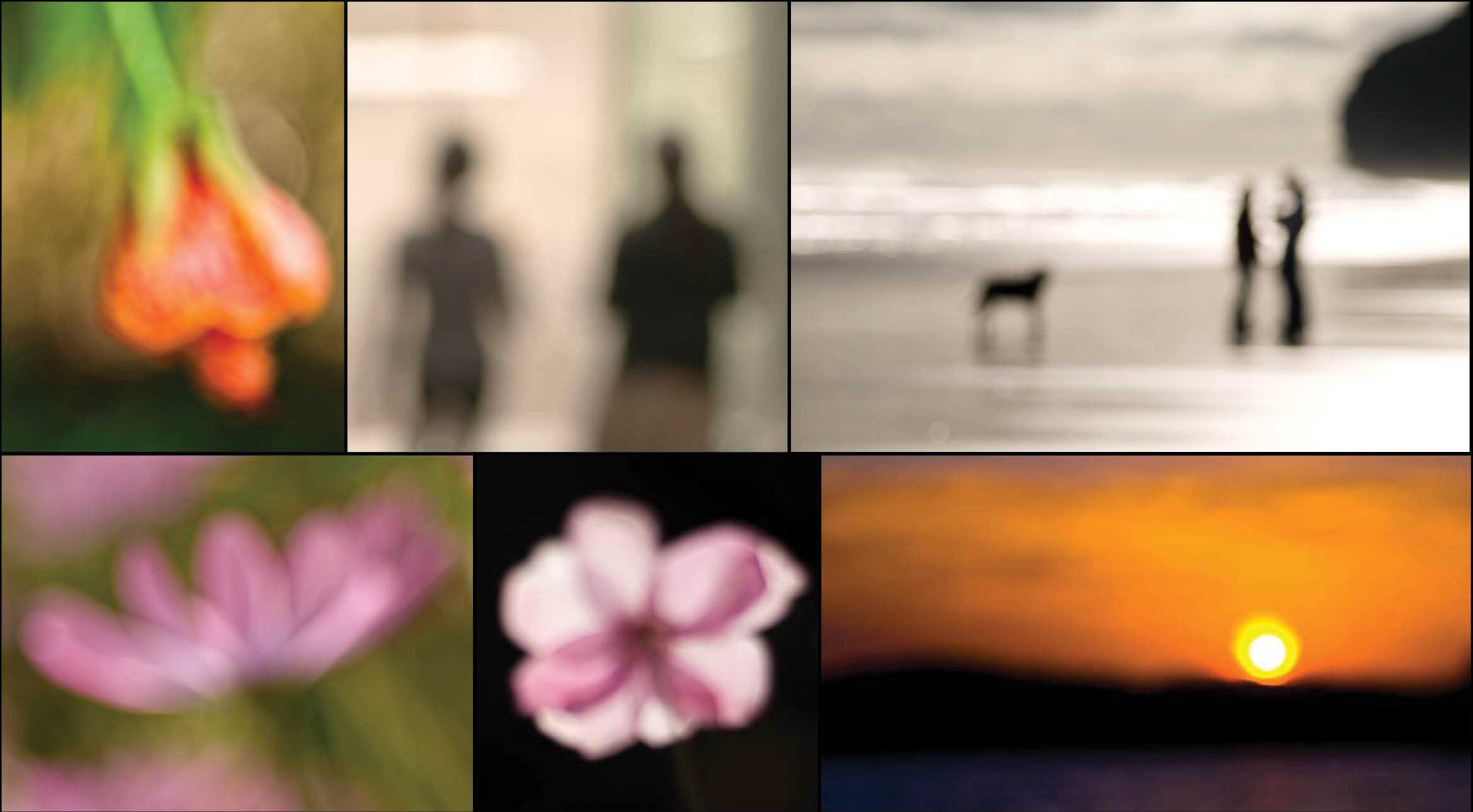
Just as Impressionist painters used brushstrokes, colour, and light to suggest rather than define, impressionist photographers use in-camera techniques to create images that feel painterly and alive.
This is not about adding effects later on a computer. It’s about learning how to work with your camera—intentionally and creatively—at the moment of capture.
The Camera as a Creative Tool
When you treat your camera like a paintbrush, everything changes.
Shutter speed becomes movement.
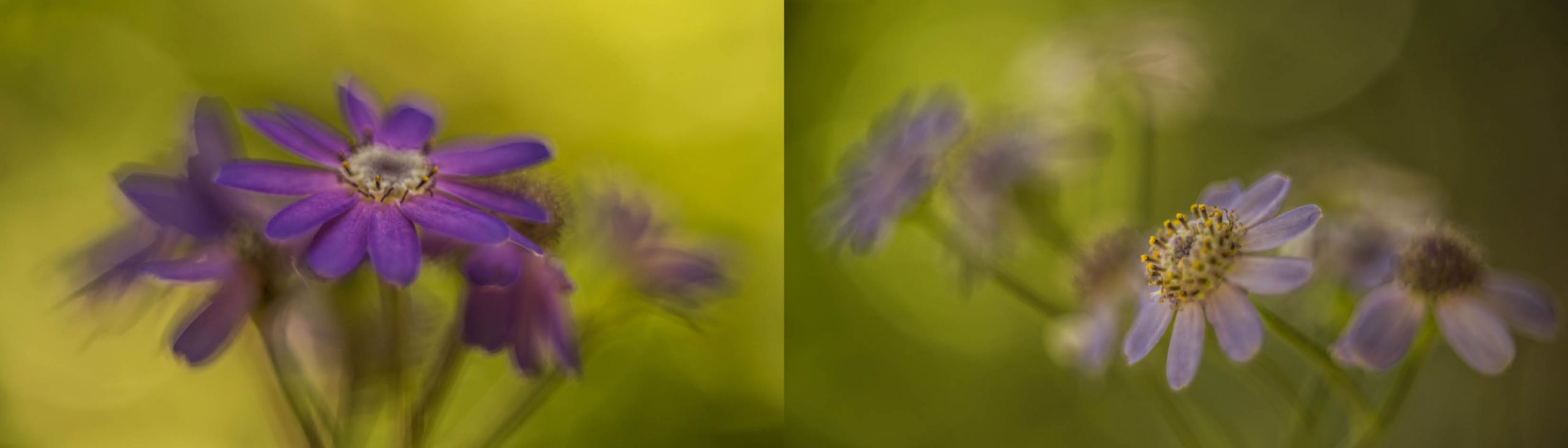
Focus becomes softness and suggestion.
Light becomes texture.
Techniques such as intentional camera movement, slow shutter speeds, reflections, multiple exposures, and selective focus allow you to shape the image in the same way a painter shapes a canvas.
The goal isn’t to replicate reality—it’s to translate your experience of it.
A windy day can become a dance of colour.
Water can turn into flowing light.
Flowers can dissolve into gestures rather than objects.
Each image becomes a personal interpretation, not a factual record.

Learning to Let Go of Control
One of the most powerful shifts in Impressionist Photography is learning to let go—just enough.
This doesn’t mean abandoning intention or skill. In fact, it requires a deep understanding of your camera. But it also asks for openness: to unpredictability, to surprise, to moments you couldn’t plan.
Many photographers discover that this process feels freeing. The pressure to “get it right” dissolves. Instead, curiosity takes its place.
You begin to experiment.
You begin to play.
You begin to trust your instincts.
And in that space, creativity flourishes.
Seeing Differently
Impressionist Photography is as much about seeing as it is about technique.
It encourages you to slow down, to notice light shifting across a surface, to observe how colours interact, to feel movement rather than freeze it.
You may find yourself drawn to reflections, mist, waves, blossoms, shadows—subjects that are already transient and ever-changing.
Over time, your camera becomes an extension of your vision. You stop photographing things and start photographing moments, emotions, and impressions.
A Personal and Poetic Path
There is no single “right” way to practice Impressionist Photography. That’s its beauty.
Your images will reflect your temperament, your rhythms, your way of moving through the world. Two photographers can stand in the same place and create entirely different images—and both can be true.
This approach invites you to develop a visual language that is uniquely yours.
Not louder.
Not trend-driven.
But honest.
An Invitation
If you’ve ever felt constrained by rules…
If you’ve longed for more emotion in your images…
If you’re curious about photography as an expressive, artistic practice…
Impressionist Photography may be the path you’ve been waiting for.
Pick up your camera—not as a machine—but as a paintbrush.
And allow yourself to create not what you see, but what you feel.
Begin Your Impressionist Photography Journey
If this way of seeing resonates with you—if something in you feels quietly curious or gently awakened—you don’t need to change everything at once.
You can begin simply by experimenting, slowing down, and allowing yourself to respond to light and movement rather than control them.
And if you’d like guidance along the way, I’ve created a collection of books, courses, and creative resources designed to help you explore Impressionist Photography in a supportive, step-by-step way—whether you’re just beginning or deepening an existing practice.
You’re warmly invited to explore them at your own pace, and to discover how expressive, freeing, and personal photography can truly be.
Your camera is already in your hands.
The journey begins when you allow yourself to see differently.


About Post Author
