


The Impressionist’s Guide to Garden Photography
Garden photography in spring is a little like stepping into an Impressionist painting—full of colour, softness, movement, and emotion. If you’ve ever admired the dreamy floral scenes of Claude Monet, you’re already familiar with the visual language this guide is inspired by. Below, we’ll explore how to bring that painterly magic into your own garden images using movement, selective focus, and colour harmony.
Capturing Movement for Dreamy Florals
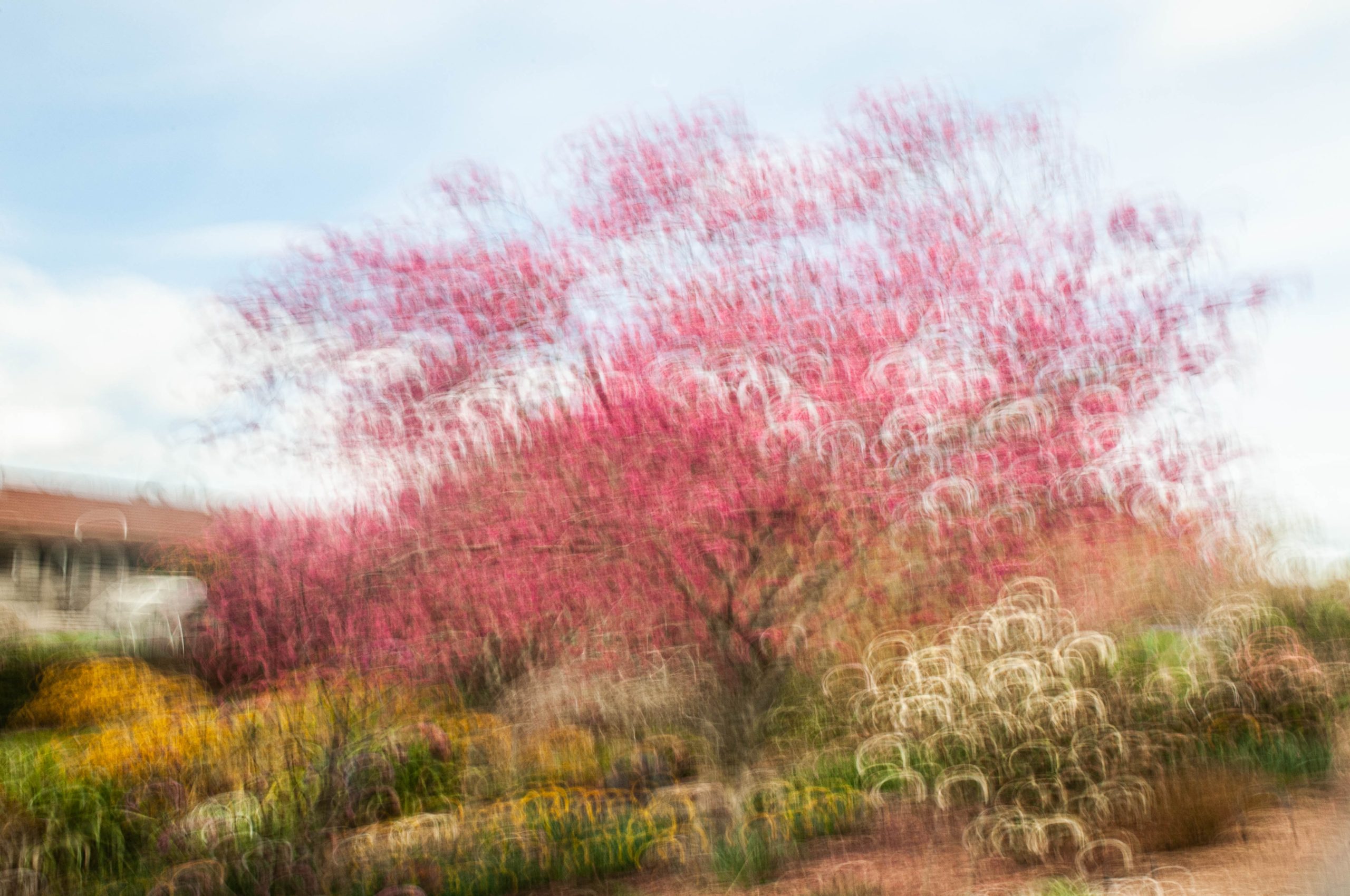
Flowers may look still, but gardens are alive with subtle motion—breezes, shifting light, swaying stems. Instead of fighting it, use it.
Techniques to Try
-
Longer shutter speeds (1/10–1/2 sec) to blur petals gently while keeping the scene recognisable.
-
Intentional Camera Movement (ICM)—moving your camera vertically or diagonally during exposure—works beautifully in flower beds.
-
Backlit scenes enhance the luminous trails of moving petals, giving your photo an impressionistic glow.
Tip: Use a tripod when you want controlled blur and handholding when you want more expressive, painterly strokes.
Selective Focus to Isolate Beauty
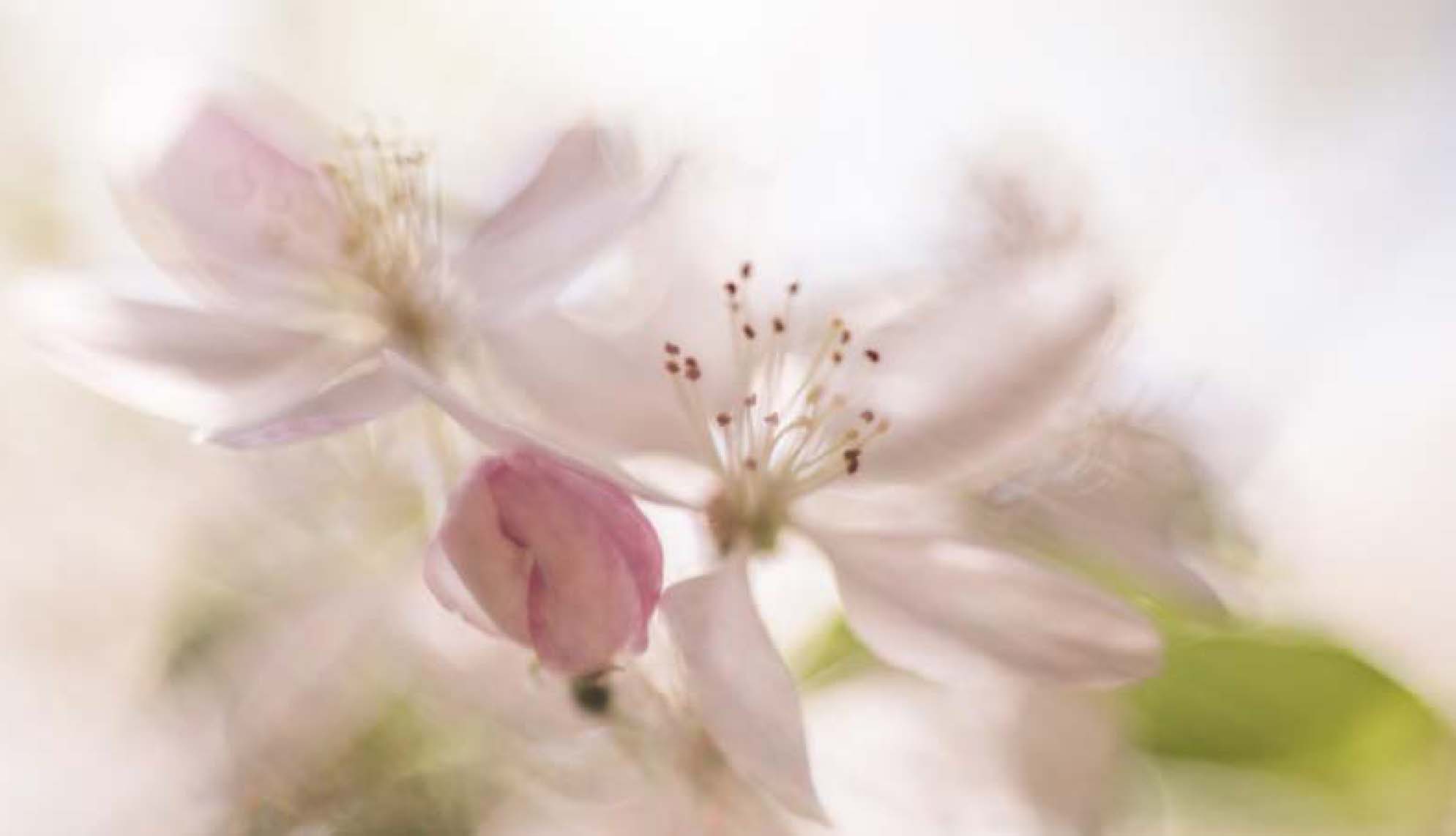
Selective focus is one of the strongest garden and flower photography techniques for creating depth and drawing attention to the emotional heart of your subject.
How to Use Selective Focus
-
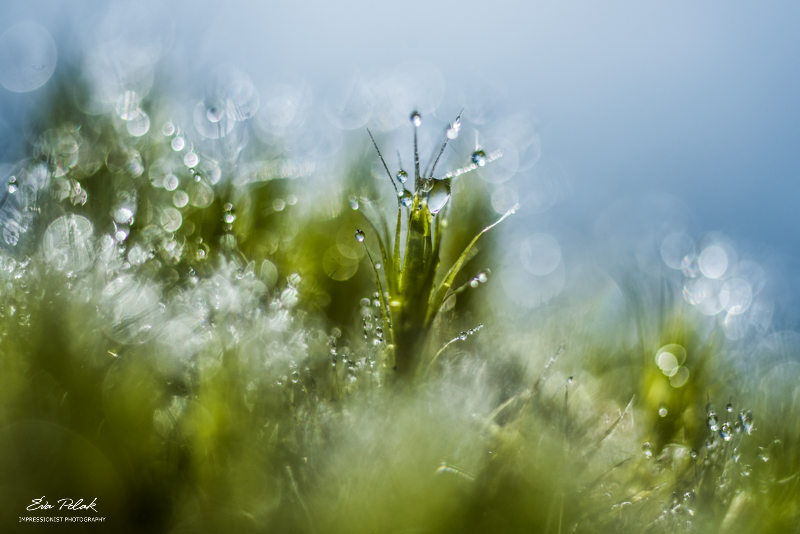
Wide apertures (f/1.4–f/2.8) create a velvety backdrop ideal for delicate blossoms.
-
Focus stacking can maintain detail on the focal flower while still preserving dreamy surroundings.
-
Lens choice matters: Macro lenses excel for intimate detail, while telephotos compress and simplify busy garden scenes.
Selective focus lets you transform ordinary garden corners into ethereal, impressionistic compositions.
Color Harmony: Painting With Light
Spring gardens often overflow with colour—but photographing them well requires intention, not just abundance.
Creating Color Harmony
-
Analogous palettes (e.g., pinks, magentas, purples) produce calming Impressionist-style images.
-
Complementary colours (yellow–purple, red–green) add visual tension and energy.
-
Use foliage as negative space to balance bright blooms.
-
Pay attention to light temperature—warm sunrise tones can unify a palette, while midday light can scatter it.
Remember: You’re painting with what’s already in the garden. Composition and color choice are your brushstrokes.
Bring Your Impressionist Vision to Life This Spring
If you’re ready to craft soft, expressive floral portraits and vibrant garden scenes, take the next step with my Spring Workshop, which includes a dedicated garden photography session featuring:
- Techniques for capturing floral movement
- Selective-focus mastery
- Color harmony and storytelling
- Guided, hands-on practice in a blooming spring garden
And for even deeper inspiration, you can pair the workshop with my Spring Impressionist Photography Guide ebook, a beautifully detailed companion full of creative prompts, techniques, and examples to elevate your garden photography.
Capture spring the way the Impressionists felt it—alive, luminous, and unforgettable.
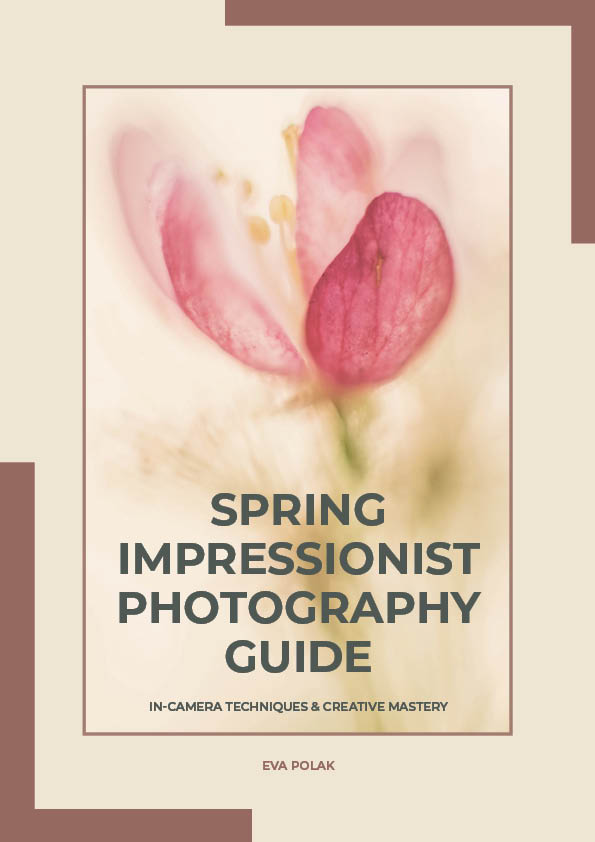
Now available in English, French, Italian, and German.


About Post Author
