


4
Oct
2022
Take your Impressionist Photography to the next level
//
Comments0

Like in all fields of art, before you start creating any impressionist photographs, you must define the idea behind your work and the effect you want to achieve. Otherwise, the complexity and chaos of your surroundings might overwhelm you.
So, before taking photographs, think twice about what you want to capture in the pictures and how you will capture them.
This might be obvious, but many people don’t think about it very often, if not at all. If they see something interesting, they point their camera and press the shutter. I’m not trying to say that they do not know what they are photographing. They just don’t have a clear idea of how to capture the subject in front of them.
The main problem is that we often include too many elements in the frame, while each of these elements could function as a separate image.
We tend to forget that our camera is nothing more than a tool. It records everything that the lens sees. When pointed at the scene, it cannot define what should be the central focus of a picture.
It is up to you, the photographer, to define the main story or idea to tell.
Here are a few simple approaches that can help you do just that.
The first step is identifying what’s essential to the subject and how you can use it to tell a specific story. This is a crucial step, as more than just your subject contributes to the story you are trying to convey.
Step two is to identify the distractions. Here you want to eliminate what’s causing the story. That means removing everything from the frame that is not an essential element of the story.
The next step is to focus on light. You want to use light to aid in telling your story and not to distract from it. Look for the right light to evoke the emotions you are trying to convey. Keep in mind that this isn’t about right or wrong; this is about controlling how the light is recorded in your shot.
The final step of this approach is the composition of your shot.
This is where we bring together all the elements of the image.
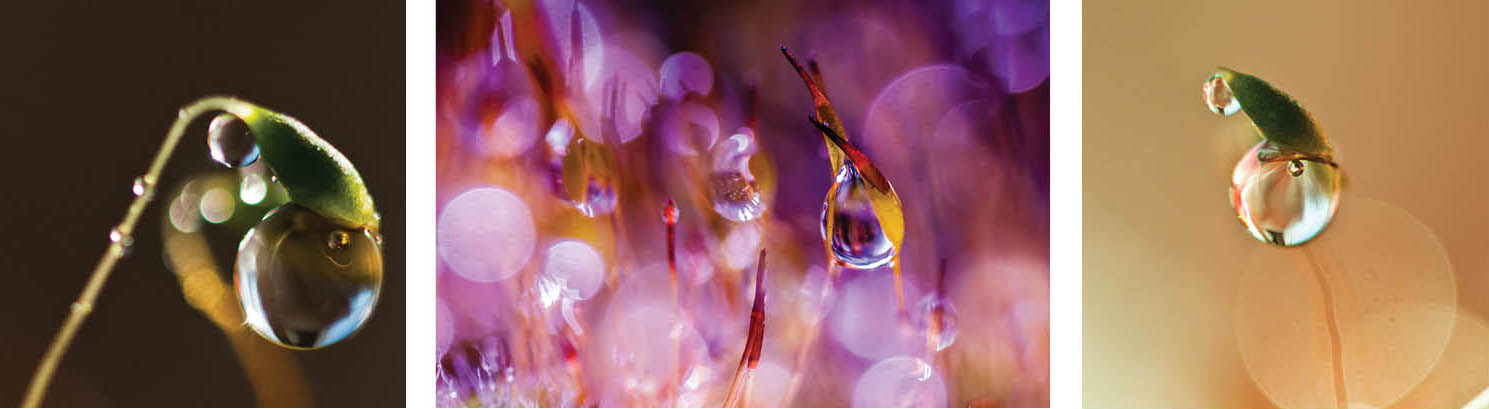
The arrangement of objects and how they influence each other also impact the final image. You can create many new pictures by changing how the camera is positioned in relation to the subject. It often changes the character of the image and makes the photos more fascinating.
Each photograph has three types of planes: foreground, middle ground and background. When composing a frame, you should make one plane dominate and draw the viewer’s attention.
One way to achieve the predominance effect of one plane is by using a shallow depth of field. This technique will draw the viewer’s attention to the focus point and help to keep your message clear.
Similarly, highly saturated colours within one of the planes would give a similar effect.
Composition is what you see and how it looks in the image itself. It is about what you keep in the frame. It’s about your lens choice and the way you crop. It is also about whether or not you zoom in and how much or how little is in focus.
It is essential to give yourself time with a chosen subject. Ask yourself, Why am I creating this? What’s the story I want to tell? Why do I find it interesting? What’s important here? Don’t rush. Observe. Pay close attention to the scene’s light, shapes and colours as they will always give you the right answer.
Check out my books and online courses if you need help with your impressionist photography.


About Post Author
